
The Benefits of Summer Camps for Fitness: Why They’re Perfect for Young Athletes
When I think about the best ways to boost fitness in young athletes, summer camps immediately come to mind. These camps offer a unique blend of physical activity, skill development, and social interaction that you just can’t get anywhere else. Whether you’re aiming to improve strength, speed, or agility, summer camps provide a structured, fun, and safe environment to reach those goals. Let me walk you through why these camps are such a perfect fit for fitness and how they can help young athletes thrive.
How Summer Camps Boost Physical Fitness
Summer camps are designed to keep kids moving all day long. Unlike the usual weekend sports practice or gym session, camps immerse athletes in a variety of activities that challenge different muscle groups and energy systems. This variety is key to building overall fitness.
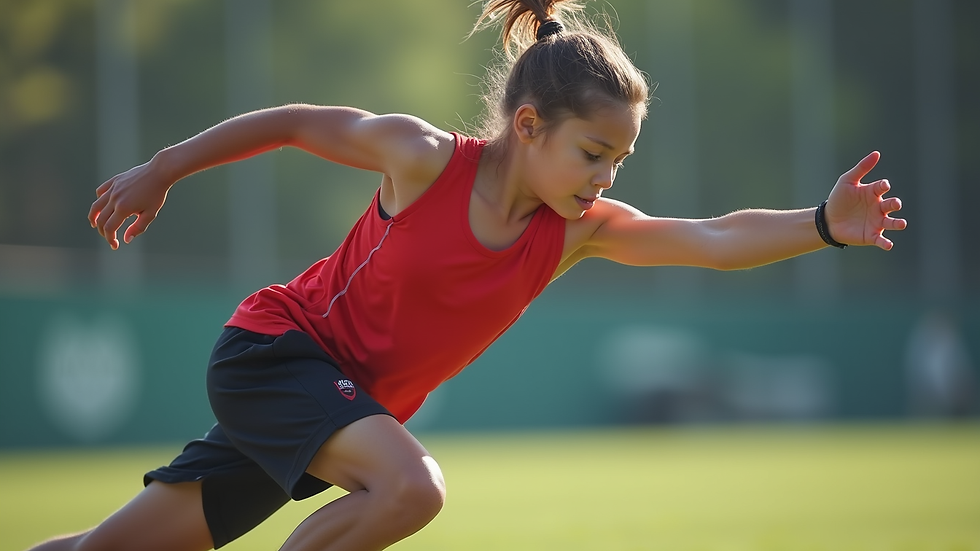
For example, a typical day might include sprint drills to improve speed, agility ladders for quick footwork, and strength exercises using body weight or light equipment. These activities are not only effective but also age-appropriate, ensuring safety and proper development.
What’s more, camps often incorporate team sports like soccer or basketball, which add a cardiovascular component while teaching teamwork and strategy. This combination of strength, speed, and endurance training helps young athletes develop a well-rounded fitness base.
Actionable tip: Look for camps that offer a mix of individual skill work and team sports to maximize fitness gains.

The Benefits of Summer Camps for Skill Development and Confidence
One of the biggest advantages of summer camps is the focus on skill development. Coaches at these camps are usually experienced and trained to work with young athletes, helping them refine techniques in a supportive environment. This personalized attention can make a huge difference in performance.
For instance, a basketball camp might break down shooting form or defensive stance, giving athletes clear, actionable feedback. Over time, this focused training builds confidence. When kids see themselves improving, they feel more motivated and ready to take on new challenges.
Camps also encourage a growth mindset. Mistakes are treated as learning opportunities, which helps athletes develop resilience and mental toughness—qualities just as important as physical fitness.
Actionable tip: Choose camps with qualified coaches who emphasize positive reinforcement and skill mastery.
Why Structured Training Matters for Injury Prevention
Injuries can sideline young athletes and slow their progress. That’s why structured, age-appropriate training is so important. Summer camps provide this by following proven training protocols that balance intensity with recovery.
For example, camps often include warm-up routines, stretching sessions, and cool-down exercises to prepare the body and reduce injury risk. Coaches monitor technique closely to prevent bad habits that could lead to strains or sprains.
Additionally, camps teach athletes how to listen to their bodies and recognize signs of overtraining. This education empowers kids to take care of themselves, which is crucial for long-term athletic success.
Actionable tip: Prioritize camps that highlight injury prevention and include education on body awareness.
Building Teamwork and Social Skills Through Fitness
Fitness isn’t just about individual performance. Summer camps create a community where young athletes learn to work together, communicate, and support each other. These social skills are essential both on and off the field.
Group activities and team challenges foster camaraderie and teach valuable lessons about leadership and cooperation. When kids feel connected to their peers, they’re more likely to stay motivated and committed to their fitness goals.
Moreover, camps often include mentorship from older athletes or coaches, providing role models who inspire and guide younger participants.
Actionable tip: Encourage participation in camps that emphasize teamwork and social development alongside physical training.
How to Choose the Right Summer Camp for Fitness
With so many options out there, picking the right camp can feel overwhelming. Here are some key factors to consider:
Qualified Staff: Look for camps with certified coaches who have experience working with youth athletes.
Age-Appropriate Programs: Ensure the camp offers training tailored to the specific age and skill level of the athlete.
Safety Protocols: Check that the camp has clear safety guidelines, including injury prevention and emergency procedures.
Balanced Training: Choose camps that combine strength, speed, agility, and endurance work with skill development.
Positive Environment: The camp should foster encouragement, respect, and fun.
Remember, the goal is to find a camp that not only improves fitness but also builds character and confidence.
Actionable tip: Ask for references or reviews from other parents and athletes to get a sense of the camp’s reputation.
Embracing the Summer Camp Experience for Long-Term Success
Participating in a summer camps program is more than just a way to stay active during the break. It’s an investment in a young athlete’s future. The skills, fitness, and mindset developed at camp lay the foundation for success in competitive sports and life.
By committing to a structured, supportive training environment, athletes gain the tools they need to push past plateaus and reach new heights. Plus, the friendships and memories made at camp create a positive association with fitness that can last a lifetime.
So, if you’re ready to take your athletic performance to the next level, consider making summer camp part of your training plan. Your body, mind, and game will thank you.

Fitness is a journey, and summer camps offer a perfect starting point. With expert coaching, varied training, and a supportive community, these camps help young athletes build strength, speed, and confidence. Dive in, stay committed, and watch your performance soar!


Comments