
Starting Your Journey with Fitness Training Programs
Embarking on a fitness journey can be both exciting and overwhelming, especially for young athletes eager to improve their strength, speed, and overall performance. Whether you are just starting out or looking to enhance your current routine, understanding the basics of fitness training programs is essential. This guide will walk you through the key steps to begin your path toward athletic excellence safely and effectively.
Understanding Fitness Training Programs
Fitness training programs are structured plans designed to improve physical abilities such as strength, endurance, agility, and flexibility. For young athletes, these programs are tailored to be age-appropriate, focusing on skill development and injury prevention. A well-designed program balances different types of exercises, including:
Strength training: Building muscle power using bodyweight exercises or light weights.
Cardiovascular training: Enhancing endurance through running, cycling, or swimming.
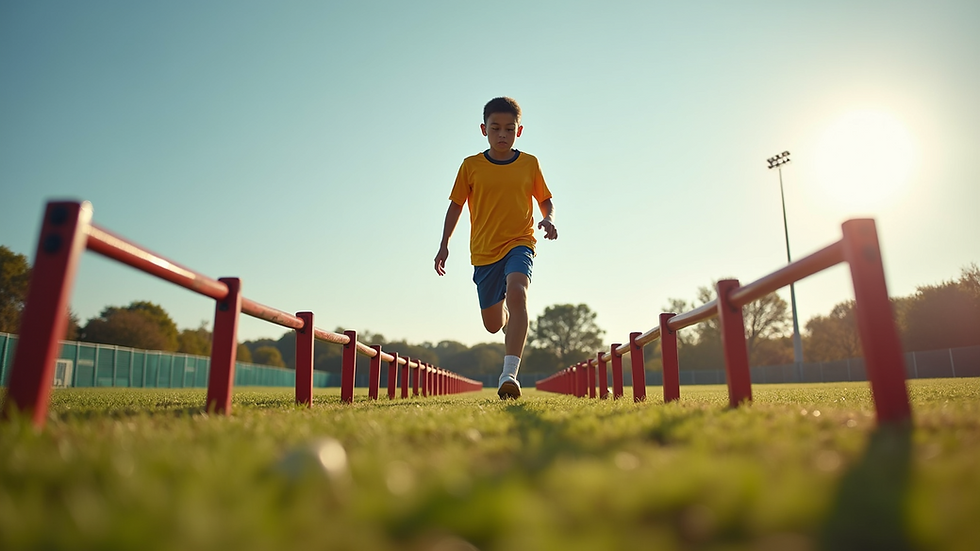
Agility drills: Improving quickness and coordination with ladder drills or cone exercises.
Flexibility routines: Stretching to maintain muscle elasticity and prevent injuries.
Starting with a clear understanding of these components helps athletes progress steadily without risking burnout or injury.
Benefits of Fitness Training Programs for Young Athletes
Engaging in fitness training programs offers numerous benefits beyond just physical improvements. These programs help young athletes:
Build confidence: Mastering new skills and seeing progress boosts self-esteem.
Prevent injuries: Proper technique and conditioning reduce the risk of common sports injuries.
Enhance performance: Improved strength and speed translate to better game-day results.
Develop discipline: Regular training instills habits of commitment and focus.
Foster teamwork: Group sessions encourage communication and cooperation.
Parents and coaches appreciate programs that emphasize safety and measurable progress, ensuring that young athletes grow stronger while maintaining their enthusiasm for sports.
What are the Best Fitness Programs?
Choosing the right fitness program depends on the athlete’s age, sport, and current fitness level. Some popular and effective options include:
Youth Strength and Conditioning: Focuses on safe weight training techniques and bodyweight exercises.
Speed and Agility Training: Uses drills to improve quickness and reaction time, essential for sports like basketball and soccer.
Sport-Specific Training: Tailored workouts that enhance skills unique to a particular sport, such as sprint mechanics for track athletes.
Cross-Training Programs: Combines different types of exercises to build overall athleticism and reduce overuse injuries.
Flexibility and Mobility Classes: Incorporates yoga or dynamic stretching to improve range of motion.
Selecting a program that aligns with the athlete’s goals and schedule is crucial. Many programs also offer progress tracking and mentorship, which can motivate young athletes to stay consistent.

How to Start Your Fitness Training Program Safely
Starting a fitness program requires careful planning to ensure safety and effectiveness. Here are some actionable steps:
Consult a professional: Work with a qualified coach or trainer who understands youth athletic development.
Set realistic goals: Define clear, achievable objectives such as improving sprint time or increasing strength.
Warm-up and cool down: Always begin with light cardio and dynamic stretches; end with static stretching.
Focus on technique: Prioritize learning proper form over lifting heavy weights or high intensity.
Progress gradually: Increase workout intensity and volume slowly to avoid injury.
Listen to your body: Rest when needed and report any pain or discomfort immediately.
Parents and guardians should ensure that the training environment is safe and supportive, with access to proper equipment and supervision.
Staying Motivated and Tracking Progress
Maintaining motivation is key to long-term success in any fitness journey. Here are some tips to keep young athletes engaged:
Keep a training journal: Record workouts, improvements, and how you feel after each session.
Celebrate milestones: Recognize achievements, no matter how small, to build confidence.
Mix up routines: Vary exercises to prevent boredom and target different muscle groups.
Train with friends: Group workouts can be more fun and encourage accountability.
Set challenges: Participate in local sports events or friendly competitions.
Tracking progress not only shows how far you’ve come but also highlights areas that need more focus. This approach helps maintain enthusiasm and commitment.
Building a Foundation for Lifelong Athletic Success
Starting with the right fitness training programs lays the groundwork for a healthy, active lifestyle. Beyond physical gains, these programs teach valuable life skills such as discipline, resilience, and teamwork. Young athletes who engage in structured training are better prepared to face the challenges of competitive sports and everyday life.
https://www.bpperformance247.com/


Comments