
Enhance Your Form with Posture Alignment Exercises
When I first started training seriously, I quickly realized that strength and speed alone weren’t enough. My form mattered just as much. Good posture is the foundation of every athletic move, from sprinting down the field to jumping for a rebound. Without proper alignment, you risk injury and limit your potential. That’s why I want to share how posture alignment exercises can transform your performance and keep you in the game longer.
Why Posture Alignment Exercises Matter
Posture alignment exercises are designed to correct imbalances in your body. Think of your muscles and joints as a team. If one player is out of position, the whole team struggles. Poor posture can cause tightness in some muscles and weakness in others, leading to inefficient movement patterns.
For young athletes, this is especially important. Your body is still growing, and developing good habits now sets you up for success later. When you practice posture alignment exercises regularly, you:
Improve your balance and coordination
Increase your strength in the right muscles
Reduce the risk of injuries like strains and sprains
Boost your overall athletic performance
These exercises focus on strengthening your core, opening up tight chest muscles, and aligning your spine and shoulders. The result? You move more efficiently and feel more confident in your skills.

Simple Posture Alignment Exercises You Can Do Today
You don’t need fancy equipment or hours at the gym to start improving your posture. Here are some easy exercises that target key areas:
Wall Angels
Stand with your back against a wall, feet a few inches away. Press your lower back, upper back, and head against the wall. Slowly raise your arms to form a "goalpost" shape, then slide them up and down. This opens your chest and strengthens your upper back.
Bird Dog
Start on all fours. Extend your right arm forward and left leg back, keeping your hips level. Hold for a few seconds, then switch sides. This exercise strengthens your core and improves spinal stability.
Chest Stretch
Stand in a doorway with your arms on the frame at shoulder height. Step forward gently to stretch your chest muscles. Hold for 20-30 seconds. This helps counteract the tightness from sitting or hunching over.
Plank
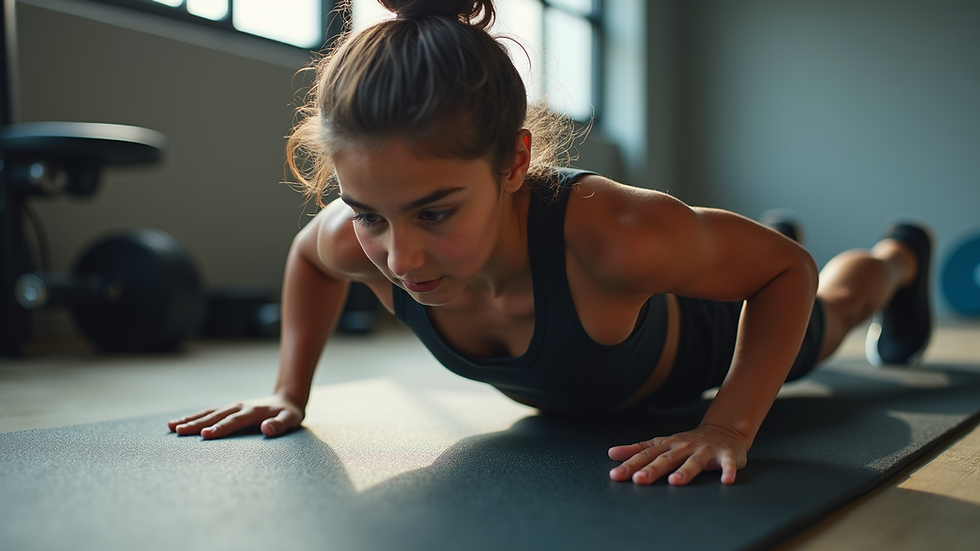
Hold a plank position on your forearms or hands, keeping your body in a straight line from head to heels. Engage your core and avoid sagging hips. Planks build core strength, which is essential for good posture.
Try to do these exercises 3-4 times a week. Start with 2 sets of 10-15 reps or 20-30 seconds holds, and increase as you get stronger.
How to Get Rid of Donald Duck Posture?
You might have heard of "Donald Duck posture"—that’s when your lower back arches too much, pushing your belly forward and sticking your butt out. It’s common in athletes who have tight hip flexors and weak core muscles.
To fix this, focus on:
Stretching your hip flexors: Kneel on one knee with the other foot in front. Push your hips forward gently to feel a stretch in the front of your hip. Hold for 30 seconds and switch sides.
Strengthening your core: Planks and bird dogs are great for this. A strong core supports your spine and prevents excessive arching.
Engaging your glutes: Glute bridges help activate these muscles. Lie on your back with knees bent, feet flat. Lift your hips toward the ceiling, squeezing your glutes at the top. Lower and repeat.
By combining these moves, you’ll retrain your body to hold a neutral spine, improving your posture and reducing discomfort.
Incorporating a Posture Correction Workout into Your Routine
If you want to take your posture work seriously, consider adding a posture correction workout to your training plan. These workouts are designed to target all the muscles involved in maintaining good posture.
Here’s how to get started:
Warm up: Begin with light cardio and dynamic stretches to prepare your muscles.
Focus on form: Perform each exercise slowly and with control. Quality beats quantity every time.
Mix it up: Include exercises that stretch tight muscles and strengthen weak ones.
Consistency is key: Aim for 2-3 posture-focused sessions per week alongside your regular training.
Remember, posture alignment exercises are not just about looking good—they help you move better and prevent injuries. Over time, you’ll notice improvements in your speed, agility, and overall athletic ability.
Tips for Maintaining Good Posture Off the Field
Good posture isn’t just for practice or games. It’s important to maintain it throughout your day, whether you’re sitting in class, doing homework, or hanging out with friends. Here are some tips:
Sit up straight: Keep your feet flat on the floor and avoid slouching.
Take breaks: If you’re sitting for a long time, stand up and stretch every 30-60 minutes.
Use ergonomic furniture: Chairs and desks that support your back can make a big difference.
Be mindful: Check your posture regularly and correct it when you notice yourself slumping.
By making these small changes, you’ll support the work you do during your posture alignment exercises and keep your body healthy.
Keep Moving Forward with Confidence
Improving your posture is a journey, not a quick fix. It takes time, patience, and dedication. But the payoff is huge. When your body is aligned, you’ll feel stronger, move more efficiently, and reduce your risk of injury. Plus, good posture boosts your confidence—something every athlete needs.
Start with the simple exercises I shared today, and consider adding a posture correction workout to your routine. Your future self will thank you for the effort you put in now.
Stay consistent, listen to your body, and keep pushing toward your goals. Your best performance is just ahead!


Comments